Not a bad article (imo) and it's good to see 24/7 Wall Street write about the issue rather than listen to the BTC SheepCoiners brush the issue aside
What Happens to Bitcoin (BTC) When the Block Rewards Run Out?
Bigger or faster blocks would be the obvious fix, letting more transactions each pay less and still add up to something. However, larger blocks are harder to store and validate, so small operators drop out and the network ends up in even fewer hands. Moving activity onto Lightning is the other route, and it would settle more value on-chain. But most Lightning payments happen off-chain though, where miners collect nothing at all.
That leaves tail emission, which is a permanent 0.5% yearly issuance that would roughly cancel out coins lost forever. Peter Todd argued in 2022 that this stabilises the supply rather than inflating it, but it needs a hard fork and breaks the 21 million cap.
So the next test comes in April 2028, when the reward halves to 1.5625 coins while fees are still under 1% of miner pay.
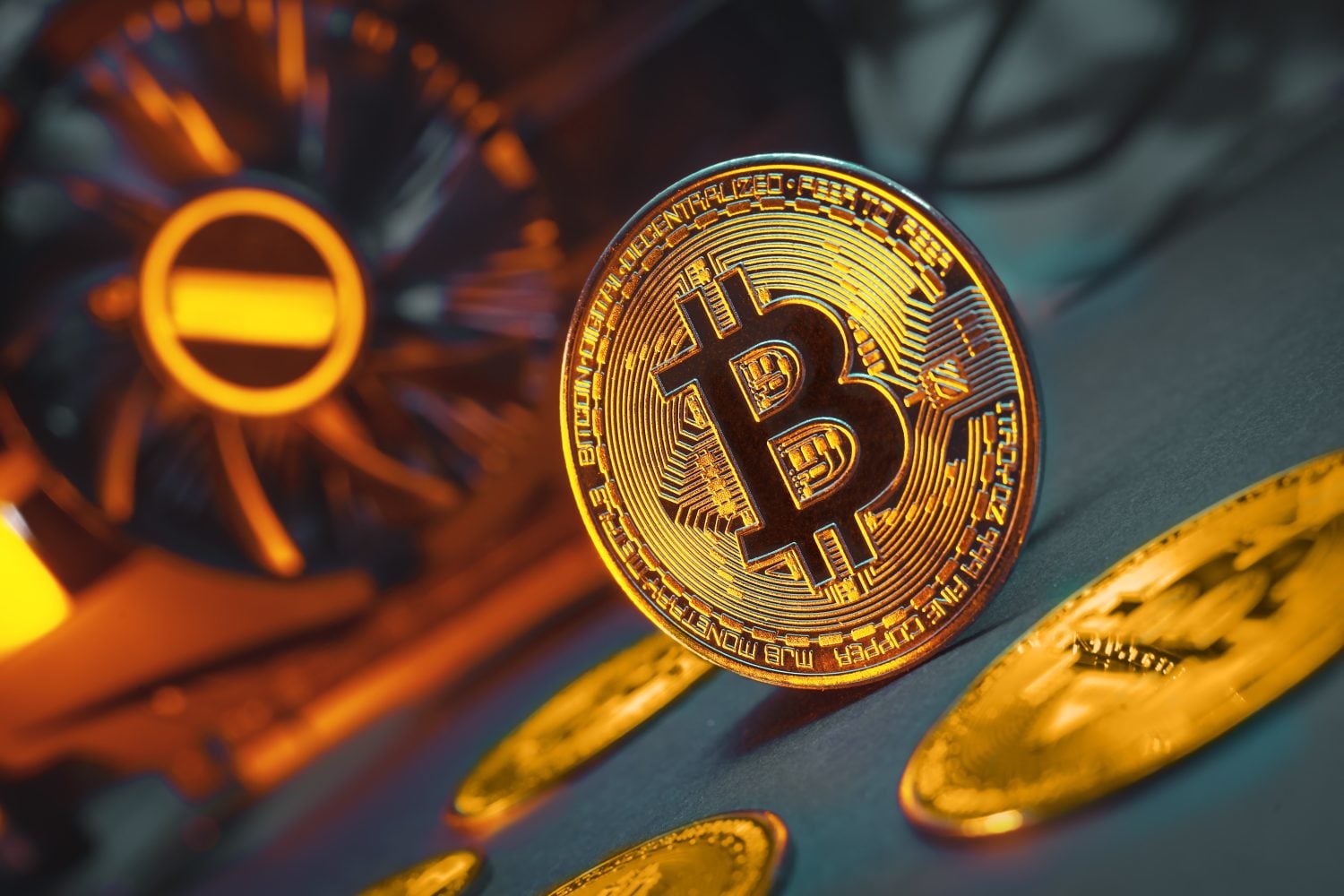 24/7 Wall St. What Happens to Bitcoin When the Block Rewards Run Out? What happens to Bitcoin when the block rewards run out? Miners earn only transaction fees, and those fees are at a 10-year low right now.
What the chain says
- Block
- 965 079
- Time
- 2026-09-03T03:23:38Z
- Signer
- 14aqJ2hMtENYJVCJaekcrqi12fiZJzoWGK
- App
- treechat
- Type
- post
- Content type
- text/markdown
- Name in tx
- dsflaty
Fields the transaction did not carry are omitted. Open the payload to see the bytes as stored.
14aqJ2hMtENYJVCJaekcrqi12fiZJzoWGK Unverified Custodial